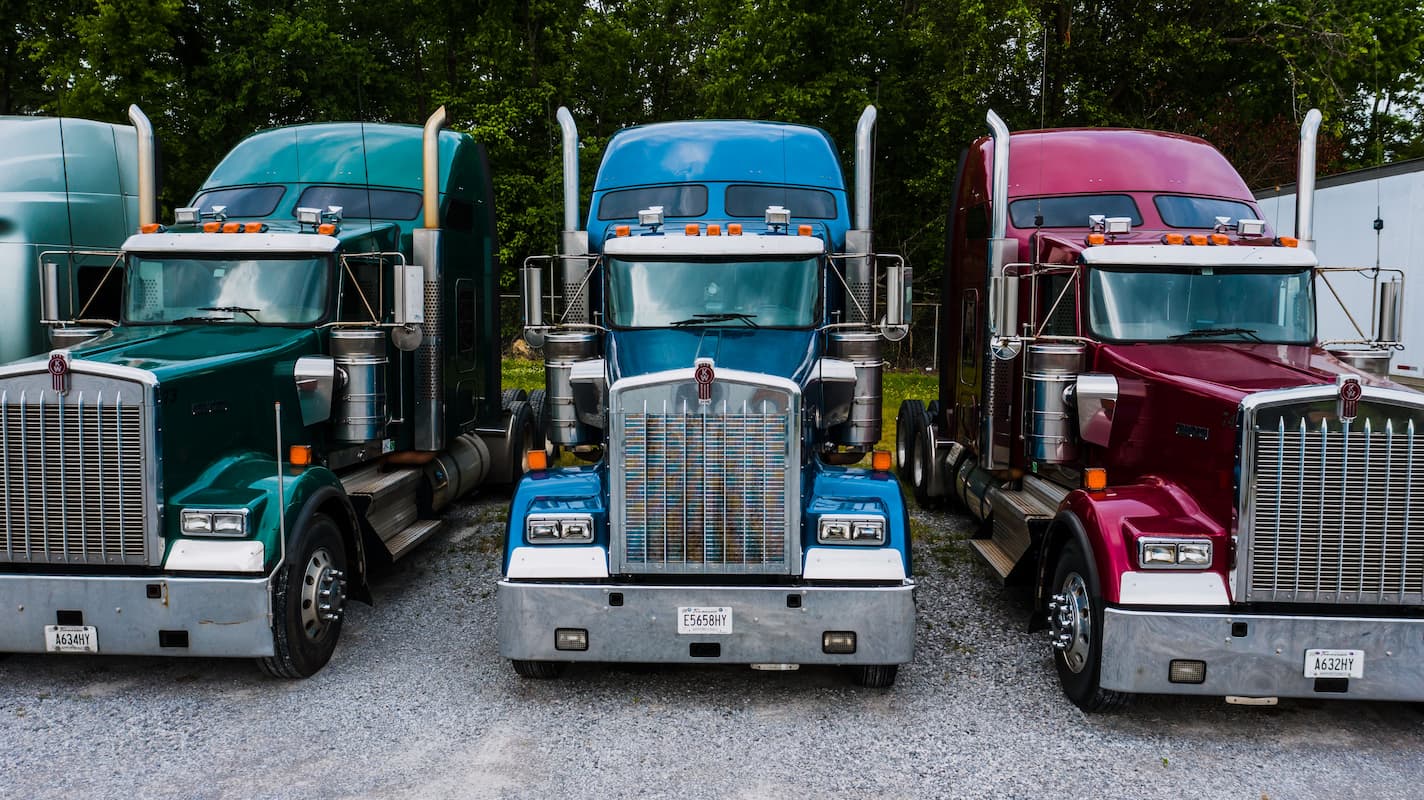

Running your own rig as an owner-operator is one of the most demanding and rewarding things you can do in the trucking industry. You set your own schedule, build your own business, and control your own future. But with that independence comes a level of responsibility that company drivers simply do not face, and one of the most important is making sure you carry the right insurance coverage for every mile you drive.
Owner-operator trucking insurance in Georgia is not the same as a standard commercial truck policy. The coverage you need depends on how you operate, whether you lease to a carrier or run under your own authority, and what types of freight you haul. Getting this wrong can mean denied claims, regulatory fines, or losing the authority to operate entirely.
At Sonturk Insurance Agency, we work with owner-operators and trucking companies across Metro Atlanta and throughout Georgia to help them find the right coverage at a price that makes sense for their business. Here is what you need to know.
Owner-Operators Have Different Insurance Needs Than Company Drivers
If you drive for a carrier as a company driver, their insurance coverage applies to you while you are on the job. As an owner-operator, that protection disappears the moment your relationship shifts. Your situation depends primarily on two factors.
Leased to a Motor Carrier
If you are leased on with a motor carrier, they are typically required to provide primary liability coverage while you are operating under their authority. However, this does not mean you are fully covered. There are significant gaps you are personally responsible for filling.
Operating Under Your Own Authority
If you have your own USDOT number and MC number, you are responsible for all of your own coverage. There is no carrier policy to fall back on. Every coverage decision is yours to make, and every gap is your own financial exposure.
Understanding which situation applies to you is the essential starting point for building the right insurance plan. If you’re deciding between running under your own authority and staying with a fleet, our broader trucking insurance guide for Georgia operators covers how coverage needs shift between the two.
Required and Essential Coverages for Owner-Operators in Georgia
Primary Liability Insurance
This is the foundational coverage required by law for any commercial truck operating in interstate commerce. The Federal Motor Carrier Safety Administration requires a minimum of $750,000 in primary liability for most general freight. For hazardous materials, the minimum is significantly higher.
Georgia state regulations align with federal requirements for interstate carriers. If you operate exclusively within Georgia’s borders, state-specific requirements apply. Either way, primary liability must be in place before you can legally operate.
Physical Damage Coverage
Your rig is your most valuable business asset. Physical damage insurance covers your truck and trailer against collision, rollover, theft, vandalism, fire, and other covered perils. Lenders and lessors almost always require this coverage if your equipment is financed or leased.
Bobtail Insurance
This is one of the most misunderstood gaps in owner-operator coverage. Bobtail insurance covers your truck when you are driving without a trailer in a commercial context, such as after dropping a load and heading back without being under dispatch. Without it, you can find yourself in a situation where neither your own policy nor the carrier’s policy responds to a claim.
Non-Trucking Liability Insurance
Often confused with bobtail coverage, non-trucking liability applies specifically when you are using your truck for personal purposes, completely outside of any business use. If your carrier’s policy has gaps in personal-use situations, non-trucking liability fills them. Your agent can walk you through which type applies to your specific operating arrangement.
Motor Truck Cargo Insurance
Cargo insurance covers the freight you are hauling if it is lost, stolen, or damaged during transit. If you haul for brokers or shippers, most will require proof of cargo coverage before they will assign you a load. Cargo claims are among the most common in the trucking industry, and the financial exposure without this coverage can be severe.
General Liability Insurance
Standard trucker’s liability does not cover all business risks. General liability for owner-operators addresses claims that occur away from your vehicle, such as bodily injury or property damage at a pickup or delivery location. Many shippers and receivers require this coverage before allowing you on their property.
What Leased Owner-Operators Often Miss
When leased to a carrier, it is easy to assume their policy covers you in most situations. In practice, there are consistent coverage gaps that catch owner-operators off guard.
The carrier’s insurance covers the load while you are under their dispatch. This coverage does not extend to physical damage to your truck, and it won’t apply when you’re bobtailing or deadheading after a delivery. General liability incidents at shipper or consignee locations are also typically excluded.
Many leased owner-operators also discover after a claim that their occupational accident coverage, if they have it at all, falls far short of what workers’ compensation would provide. Occupational accident insurance is worth understanding carefully before assuming it is adequate protection for your situation.
Special Considerations for Georgia-Based Owner-Operators
Metro Atlanta sits at one of the busiest freight crossroads in the southeastern United States. The I-75 and I-85 corridors, the I-20 interchange, and access to the Port of Savannah make Georgia a major hub for regional and long-haul trucking. Operating in this environment means higher daily exposure to traffic incidents and a more complex claims landscape.
Georgia also has specific regulations for intrastate carriers that differ from federal requirements in some areas. If you operate exclusively within Georgia’s borders, it is important to confirm that your coverage meets state-specific standards and not just federal minimums.
Additionally, if you haul specialized freight including refrigerated goods, oversized loads, or hazardous materials, your insurance requirements change significantly. Standard policies may not cover these hauls without specific endorsements in place.
How Much Does Owner-Operator Trucking Insurance Cost in Georgia
Premiums vary based on several factors: your driving record, the age and value of your equipment, the type and radius of freight you haul, your claims history, and the specific coverages you select.
Rates have been climbing across the board in 2026. See our full breakdown of rising trucking insurance costs in Georgia for what’s driving it and how to manage it at renewal.
The cost of inadequate coverage is always higher than the cost of getting it right. A single uninsured cargo claim or an at-fault accident without sufficient liability limits can exceed your total annual revenue. Working with an independent insurance agency gives you access to multiple trucking-specific carriers so you can compare actual quotes for your operation.
Why Owner-Operators in Georgia Work With Sonturk Insurance
Sonturk Insurance Agency understands the trucking industry and the specific pressures owner-operators face. We have helped owner-operators and small fleets across Metro Atlanta and throughout Georgia find coverage that actually fits their operation and their budget.
As an independent agency, we work with multiple carriers that specialize in commercial trucking. Which means we shop the market on your behalf rather than locking you into one company’s offerings. Whether you are just getting your authority or looking to review your current policy, we welcome the opportunity to help.
See our full trucking insurance coverage page to shop options beyond owner-operator policies, including fleet and general commercial coverage.
Frequently Asked Questions
Do I need my own insurance if I am leased to a carrier?
Yes, in most cases. While the carrier provides primary liability during dispatch, you are responsible for physical damage to your equipment, bobtail or non-trucking liability, and other gaps the carrier’s policy does not address.
What is the minimum liability required for a commercial truck in Georgia?
For interstate carriers hauling general freight, the FMCSA requires a minimum of $750,000 in primary liability. Hazardous materials and other regulated cargo types carry higher minimums. Georgia intrastate requirements may differ depending on your specific operation. Confirm the requirements that apply to you with a licensed agent.
Is cargo insurance required for owner-operators?
It is not always required by law, but most freight brokers and shippers require proof of cargo coverage before assigning loads. It is also essential protection for your business against one of the most common and costly claims in trucking.
What is the difference between bobtail and non-trucking liability?
Bobtail coverage applies when driving your truck without a trailer in a commercial context. Non-trucking liability applies when using your truck for purely personal purposes with no business connection. The difference affects how a claim is handled, and it is best to work with your agent to identify which one applies to your situation.
Can I get trucking insurance if I have violations on my record?
Yes, in many cases. Some carriers specialize in covering drivers with violations, though rates will reflect the added risk. An independent agent can shop multiple carriers to find the best available option for your specific driving history.
How do I get a trucking insurance quote in Georgia?
Contact Sonturk Insurance Agency at (678) 919-8119 or visit sonturkinsurance.com. We will gather information about your operation, your equipment, and your haul types, then shop multiple carriers to find the right fit.